Many business owners in Dallas and across the U.S. assume that equipment financing options are reserved strictly for brand-new models. The reality is that financing used equipment is often the sharper strategic move for established operations. Pre-owned machinery can deliver the exact functionality you need without the premium price tag attached to 2026 models.
We have guided countless clients through this process to help them secure assets that drive revenue immediately.
This guide breaks down the specific requirements and advantages of financing used equipment so you can make a decision based on numbers rather than assumptions.
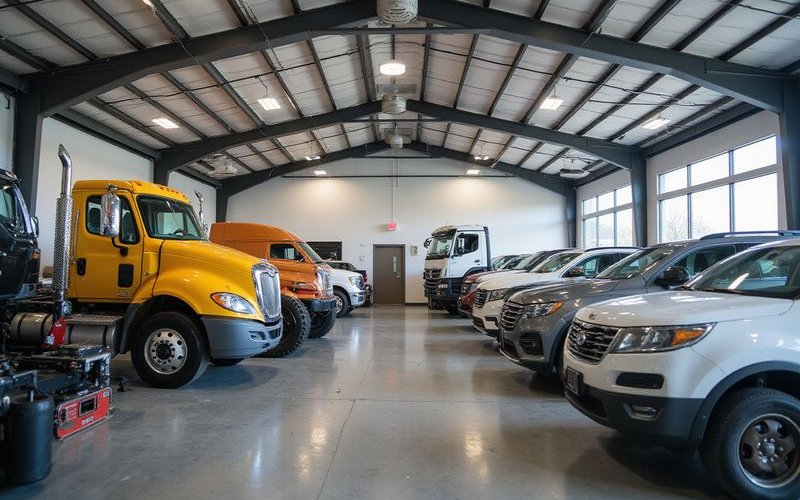
Can You Really Finance Used Equipment?
Yes, financing used equipment is a standard practice in the industry. Most lenders, including specialized banks and private equipment finance companies, actively fund these purchases because the assets hold value.
We structure these deals daily.
Terms for used machinery differ slightly from new asset loans, but the core mechanism remains the same. Lenders focus on collateral value and the borrower’s ability to repay.
What Lenders Consider
Lenders look at four specific data points to determine the viability of the deal:
1. Equipment Age and Vintage Most institutions stick to a “10-year rule” for general equipment. The asset usually needs to be under 10 years old at the time of funding. Specialized gear like yellow iron (construction) or CNC machines often get exceptions up to 15 or 20 years because of their longevity.
2. Condition and Maintenance History A well-maintained machine with service logs is far easier to finance than one with a mystery history. Lenders want assurance that the equipment will function for the duration of the loan.
3. Remaining Useful Life (RUL) The loan term cannot exceed the equipment’s expected life. You will not get a 5-year term on a truck that only has 2 years of reliable service left.
4. Secondary Market Value Lenders check resources like the Sandhills Global Market Reports or Ritchie Bros. auction results. If the equipment has a strong resale market, approval odds increase significantly.
Benefits of Financing Used Equipment
1. Significant Purchase Price Reduction
Used equipment typically commands a price 30% to 60% lower than the manufacturer’s suggested retail price (MSRP) of new units.
Our clients often use these savings to acquire additional attachments or upgrade other areas of their business.
The Math:
| Item | New 2026 Model | Used 2022 Model | Capital Preserved |
|---|---|---|---|
| Excavator | $250,000 | $150,000 | $100,000 |
| Commercial Oven | $35,000 | $18,000 | $17,000 |
| Delivery Truck | $95,000 | $55,000 | $40,000 |
2. Avoid the “Depreciation Cliff”
New commercial vehicles and heavy machinery can lose 20% to 40% of their value in the first 12 months. Buying used means the previous owner paid that “depreciation tax” for you. Your asset retains its value much better relative to the loan balance.
3. Proven Reliability
Used models have a track record. You can check forums and mechanic reports to see if that specific model year had transmission issues or electrical faults. New models sometimes come with unforeseen “teething” problems that lead to recalls.
4. Faster Return on Investment (ROI)
Lower monthly payments mean the equipment pays for itself sooner. If a truck earns $5,000 a month but costs $1,500 less to finance, your profit margin expands immediately.
5. Tax Benefits (Section 179)
The IRS tax code is generous here. Under Section 179, you can typically deduct the full purchase price of qualifying used equipment just as you would for new equipment. For the 2025/2026 tax years, this deduction limit is over $1 million.
6. Budget Flexibility
The same credit approval amount stretches further in the used market. A $200,000 approval might get you one new bulldozer or a used bulldozer plus a skid steer.
Requirements for Used Equipment Financing
Equipment Requirements
Lenders need to verify the asset exists and is worth the asking price.
| Criteria | Standard Benchmark |
|---|---|
| Age Limit | Under 10 years (exceptions for heavy iron) |
| Condition Report | Photos of all 4 sides + VIN/Serial plate |
| Usage | Hours/Mileage must be reasonable for age |
| Vendor | Private party sellers are allowed but require more vetting |
| Title | Must be free of existing liens (UCC search required) |
Borrower Requirements
We look for consistency and stability in your application.
Approvals for used equipment generally require:
- Time in Business: 2+ years is the gold standard. Startups (under 2 years) can find financing but will likely need a larger down payment.
- Credit Score: A FICO score of 650+ opens up standard rates. Scores below 620 often require “C-credit” specialty lenders.
- Cash Flow: Three months of business bank statements showing steady revenue.
- Down Payment: Expect to put down 10% to 20%.
Documentation Needed
Get these documents ready before you apply to speed up the process by days:
- Invoice or Bill of Sale: Must include the VIN or Serial Number.
- Spec Sheet: A breakdown of the equipment’s features.
- Maintenance Logs: Essential for private party sales.
- Bank Statements: The last 3 months of business checking accounts.
- Driver’s License: For all owners with more than 20% stake.

Where to Find Quality Used Equipment
Equipment Dealers
Dealers often keep the best trade-ins for their own lots.
Pros: They inspect the gear and often offer limited warranties (30 to 90 days). Cons: You pay a retail premium for this peace of mind.
Dedicated Auctions
Houses like Ritchie Bros. or IronPlanet are industry giants for a reason.
Pros: Massive inventory and transparent bidding. Cons: Equipment is sold “as-is.” You usually cannot test drive it legally on the road before buying.
Private Sales
Buying from a fellow business owner can yield the lowest price.
Pros: No dealer markup. You can ask the owner specific questions about how it was used. Cons: The financing process takes longer because the lender must verify the seller pays off their own liens first.
Online Marketplaces
Platforms like Machinery Trader and Commercial Truck Trader aggregate listings nationwide.
Pros: You can compare prices across the entire country instantly. Cons: Scams exist. Never wire money without verifying the equipment exists.
Manufacturer Remarketing
Brands like Caterpillar (Cat Certified Used) and John Deere offer certified pre-owned programs.
Pros: These machines undergo rigorous 100+ point inspections. Cons: Prices are close to new equipment costs.
How to Evaluate Used Equipment
Due diligence is your only protection against buying a lemon.
We advise clients to take these specific steps before signing any contract.
1. The Fluid Analysis (Crucial Step)
This is the smartest $50 you will spend. Take samples of the engine oil, transmission fluid, and hydraulic fluid. Send them to a lab like Blackstone Laboratories. They can tell you if there are metal shavings in the oil (engine wear) or coolant in the transmission (seal failure) before you buy.
2. Physical Inspection Checklist
- Undercarriage: On tracked machines, look for “snaking” tracks which indicate blown pins.
- Blow-by: Open the oil filler cap while the engine is running. Excessive smoke indicates worn piston rings.
- Welds: Look for fresh paint over non-factory welds. This suggests structural repairs.
3. Verify Ownership (Theft Check)
Check the serial number against the National Equipment Register (NER) database. This confirms the equipment hasn’t been reported stolen. Lenders will not fund stolen equipment.
4. Review Maintenance Records
Gaps in service history are red flags. If a machine went 2,000 hours without an oil change documented, walk away.
Used Equipment Financing Terms
Terms for used assets are stricter because the collateral is riskier.
Comparative Terms Table
| Feature | New Equipment Loan | Used Equipment Loan |
|---|---|---|
| Interest Rate | 6% - 10% | 8% - 14% |
| Down Payment | 0% - 10% | 10% - 25% |
| Term Length | Up to 84 months | 36 - 60 months |
| Approval Time | Same Day | 2 - 5 Days |
Why The Difference?
We explain this risk gap to clients regularly.
The lender is betting on the equipment’s value. New equipment has a predictable depreciation curve. Used equipment is a “wild card.” If a borrower defaults on a used machine, the lender might struggle to sell it for enough to cover the remaining loan balance. Higher rates and shorter terms hedge this risk.
Equipment Types That Finance Well Used
Not all equipment is created equal in the eyes of a credit officer.
Construction (Yellow Iron)
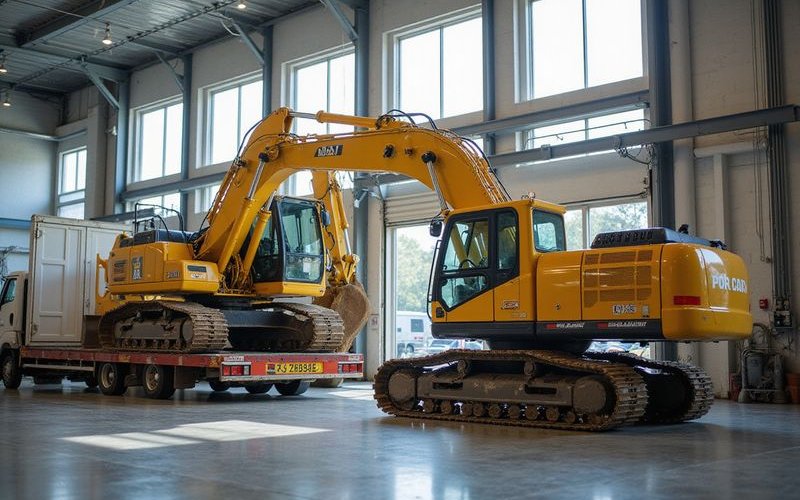
Excavators, dozers, and backhoes hold value incredibly well. A 10-year-old Cat D6 dozer is still a highly financeable asset because it has a long remaining life.
Class 8 Trucks
Semi-trucks (Kenworth, Peterbilt, Freightliner) have a standardized secondary market. Lenders can easily look up the value of a 2019 Cascadia, making approvals faster.
Machine Tools
CNC machines and lathes often run for 20 years. Lenders like these assets because they don’t leave the shop floor, reducing the risk of accidental damage or theft compared to mobile equipment.
Difficult Assets to Finance Used
- Computers/IT: Technology becomes obsolete in 3 years.
- Restaurant Smallwares: Items like blenders or small fryers have almost no resale value.
- Custom Prototypes: If it was built specifically for your factory, no one else wants to buy it.
Tips for Successful Used Equipment Financing
1. Get Pre-Approved First
Do not shop until you know your budget. A pre-approval letter gives you leverage with sellers. It shows you are a cash buyer ready to close.
2. Verify the Serial Number Early
Send a photo of the serial number plate to your lender immediately. They can run a preliminary value check to ensure the equipment is worth what the seller is asking.
3. Insist on a Cold Start
When inspecting, ask the seller not to run the machine before you arrive. You want to see how it starts cold. A warm engine hides starting issues and smoking problems.
4. Match Term to Life
Do not finance a 10-year-old truck for 5 years. You don’t want to be making payments on a truck that died in year 3.
5. Factor in Repair Reserves
Used equipment will break. Set aside 5% of the machine’s revenue into a repair fund so a blown hose doesn’t kill your cash flow.
6. Compare the APR, Not Just the Payment
Some dealers mask high interest rates by extending the loan term. Always ask for the Annual Percentage Rate (APR) to make an apples-to-apples comparison.
When New Equipment Makes More Sense
Sometimes the used market isn’t the right play.
Our team advises buying new when:
- Warranty is Critical: If you cannot afford a single day of downtime, the full manufacturer warranty of a new unit is worth the premium.
- Emissions Compliance: In states like California, older trucks may not meet CARB requirements. You might be forced to buy newer models to operate legally.
- Technology Leaps: If a new machine is 40% more efficient due to automation, the productivity gains might outweigh the monthly payment savings of an older unit.
- Incentivized Rates: Sometimes manufacturers offer 0% financing on new models. Used financing rarely drops below 7-8%.
Financing Used Equipment with Equipment Financing Dallas Pros
Finding the right asset is only half the battle. You need a partner who understands how to structure the debt correctly.
We specialize in finding the sweet spot between low monthly payments and smart asset management.
Our network includes lenders who prefer used equipment and understand its true value. Whether you are looking at a 2020 excavator or a retrofitted production line, we can build a financing package that protects your working capital.
Found used equipment you want to purchase? Contact us to discuss financing options and get a quote tailored to your specific equipment and business situation.